Giving Clients Permission to Cut: How Miss Rizos Turned a Santo Domingo Salon Into a Curl Classroom
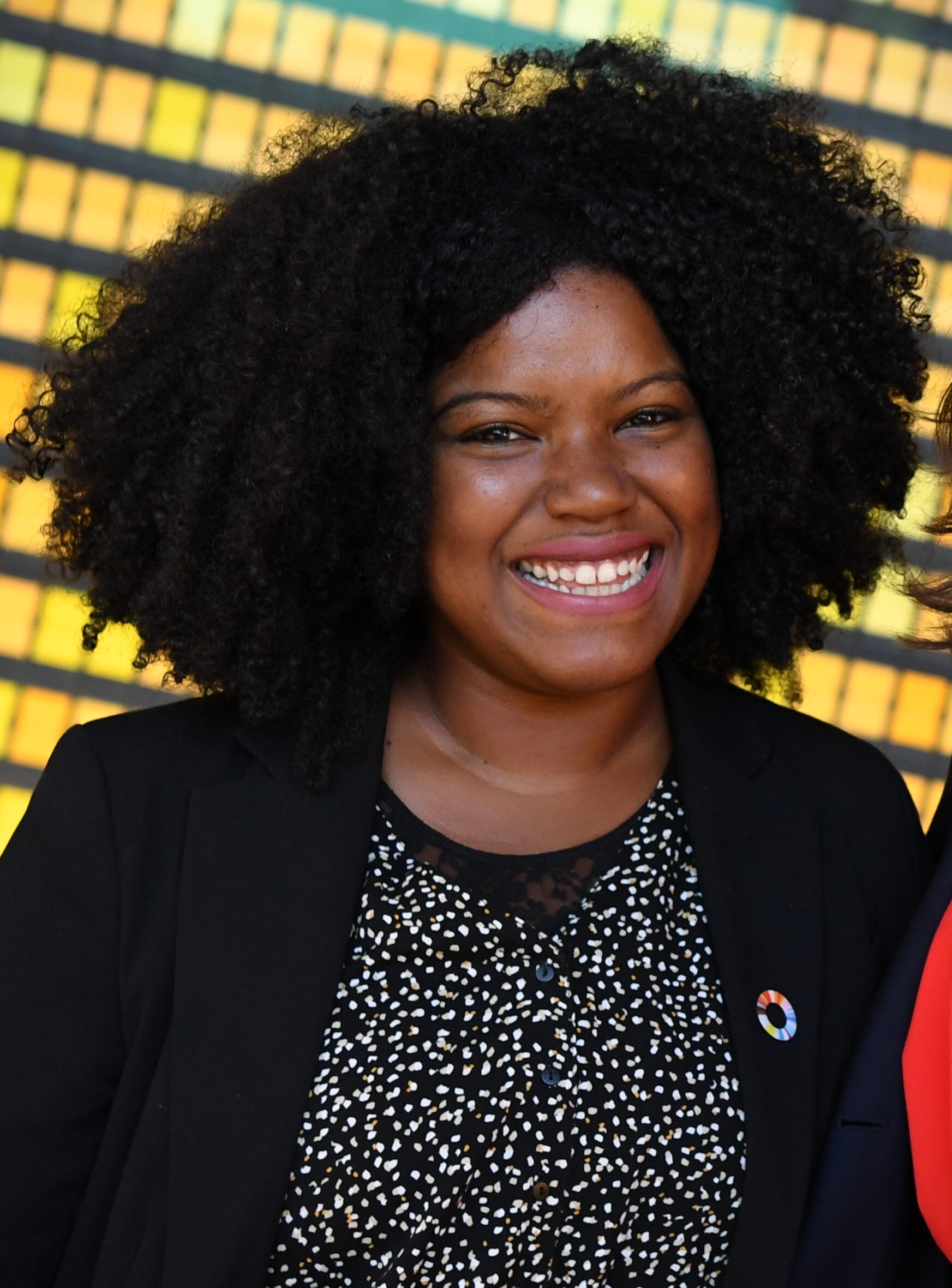

Carolina Contreras opened Miss Rizos in 2014 as a salon for natural curls. Her story shows how a haircut can turn into a talk about race, school rules and who defines good hair.
Carolina Contreras says the hard part of her work often comes before the scissors. "I have to go through a process with my clients, of convincing them that their natural hair is beautiful and giving them permission to cut it," she told DW in 2019.
Contreras, a Dominican-American entrepreneur and activist, started Miss Rizos in 2014 in Santo Domingo. DW called it the first salon of its kind on Hispaniola, built for Afro-Latinas and Afro-Latinos who want to wear their curls natural, not chemically relaxed.
It is a business, but it works like a classroom. This piece looks at the salon's advocacy and teaching model, as its founder and profiles describe it.
The rule behind the chair
In the Dominican Republic, DW reported in 2019, big curly hair, the pajón, has long been read as unruly and tied to Afro-Dominican roots. Tight curls were pelo malo, bad hair, and silky straight hair was pelo bueno, good hair. Contreras told DW that women headed for jobs in banks, classrooms or law offices felt pushed to straighten.
Ashoka, which made her a fellow in 2019, adds that schools in the country have barred children from wearing curls loose. Contreras herself rejects a simple reading. She told DW the pressure is not only about wanting to erase Blackness, it is also about the messages society sends about what success looks like.
From a blog to a chair
After her own big chop, the cut that removes chemically relaxed hair, Contreras told DW she was first insulted, then stopped on the street by people asking how she did it. Spanish-language guidance on curl care was hard to find, so she started a blog. A salon felt like the next step in the same work.
DW's 2019 visit found it on the second floor of an old colonial building in the Zona Colonial, with shirts reading "Yo amo mi pajón," or "I love my afro." The salon's own website, checked on November 24, 2026, gives a Zona Colonial address on Calle Luperón in Santo Domingo, lists curly cuts, curl definitions, protective styles and transition guidance, and says the brand now runs two salons, one in Santo Domingo and one in New York.
Teaching, not only styling
Ashoka describes workshops that teach girls and women to care for their curls and to push back on hair rules, including by citing the Constitution. It says organizations including the Peace Corps have adopted the workshops.
DW gives a small example. Contreras described a 16-year-old in Santiago de los Caballeros whose principal said only prostitutes wore curls like hers. Contreras offered a few replies, and the girl used them the next morning. "Sometimes people just need the tools," she told DW.
What the story does and does not show
The accounts here come from Contreras, from her organization's profiles and from one news report. They show what she says she is trying to do and how the salon has described itself. They do not measure how attitudes toward curly hair have changed across the country, and this article makes no claim about that.
What they do show is a model: a place where the curly option is treated as normal and where a client can choose with information.
Notes
No notes on this story yet.